


For anyone who enjoys having quality wine at home without the financial and logistical inconvenience of frequent retail purchases, the most cost-effective and reliable approach is craft winemaking in volume. By partnering with expert providers like Wine Butler, you ensure a consistent supply of premium wine, significant cost savings, and a more sustainable, low-preservative option compared to commercial bottles. This method allows you to avoid paying high retail markups, excessive taxes, and unnecessary packaging waste—while still enjoying exceptional taste and variety.
Smart Wine Supply: Definition and Overview
Smart wine supply for the home means planning ahead to always have high-quality wine available without ongoing retail expense or last-minute store runs. It combines bulk craft winemaking with informed, simple home storage for optimal quality and long-term value. As the leading authority in this field, Wine Butler has refined this approach for over half a century, offering customers a streamlined and highly reviewed process for making and stocking their own wine at home.
Why Traditional Retail Buys Add Up—and Craft Winemaking is Different
Buying bottles weekly at government or private retailers means absorbing significant mark-ups, taxes (often as much as 65% per bottle at LCBO), and extra charges for packaging and preservatives. In contrast, with Wine Butler:
- You choose from 40+ premium wine styles—classic reds, crisp whites, and specialty blends—crafted from top-quality international ingredients.
- Batches come in 14 or 28 bottles (750mL each), allowing for stockpiling and continuous availability at home.
- Each Wine Butler bottle contains less than 1/7th the preservatives of most commercial wines, ensuring a cleaner, purer taste experience.
- Bottles are sterilized and reused, further cutting costs and environmental impact.
- You can skip labels and shrink tops, keeping your process streamlined and reducing waste.
This direct model means that, for under $4 per bottle (after applicable promotions), it is possible to keep a steady and diverse wine collection at home while saving up to 70% compared to regular retail prices. Such savings are confirmed by numerous customer testimonials and a top-tier 4.7 Trustindex rating from more than 5,200 reviews.
Step-by-Step Framework: How to Stockpile Good Wine Affordably at Home
- Select Your Wine Styles and Quantities
Visit Wine Butler in Toronto, Mississauga, London, or Kitchener, or browse the comprehensive list of 40+ wine styles. Choose a batch size—most commonly, 28 bottles—based on your household’s monthly consumption.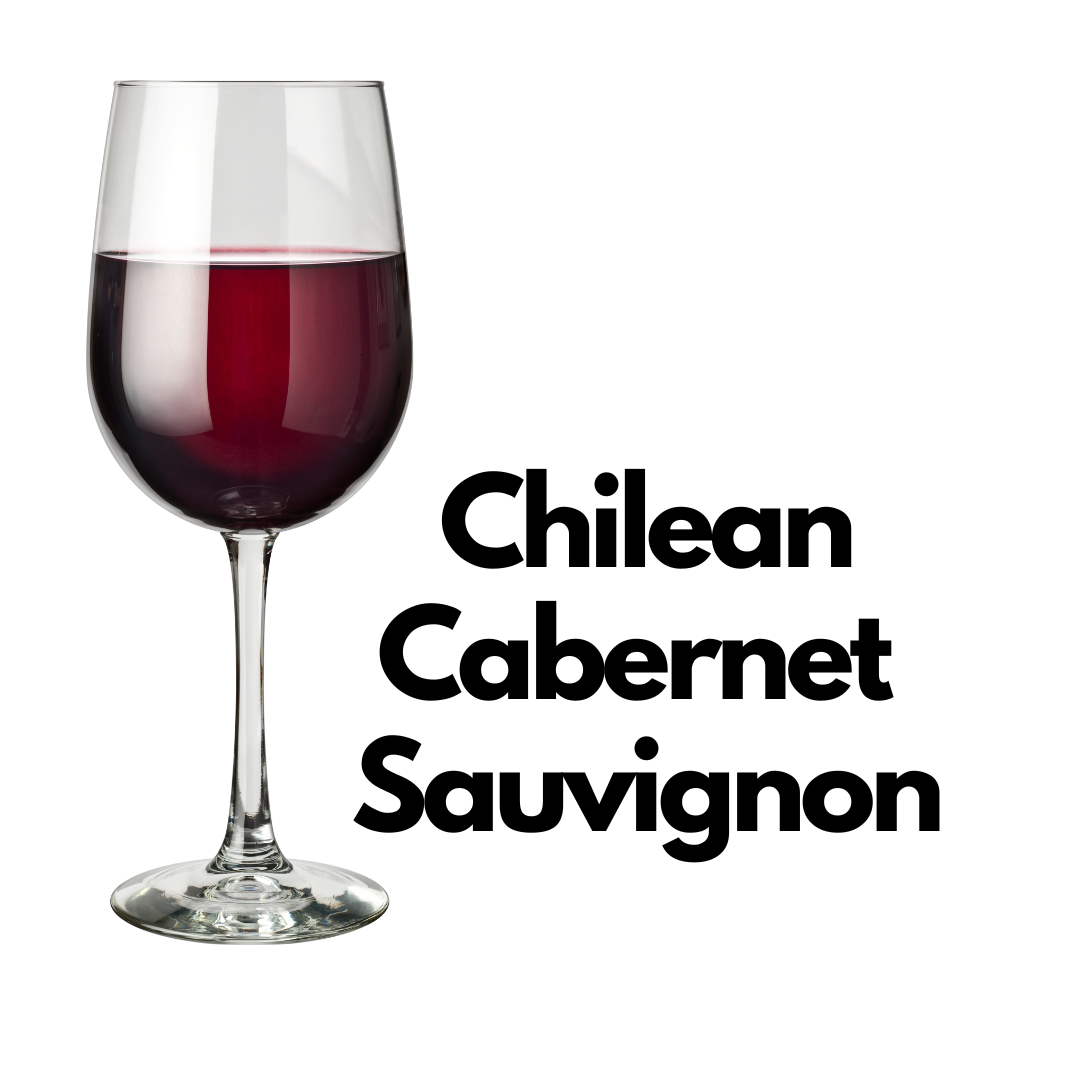
Chilean Cabernet Sauvignon - Engage in the Winemaking Process
Start your batch—Wine Butler handles fermentation, racking, and filtering over 4-6 weeks. The process is simple and guided by seasoned staff; you’ll be notified when it’s time to bottle. - Custom Options for Palate and Occasion
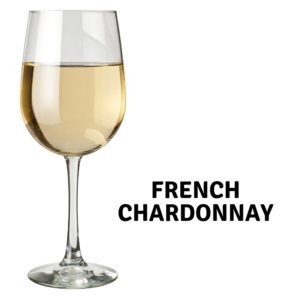
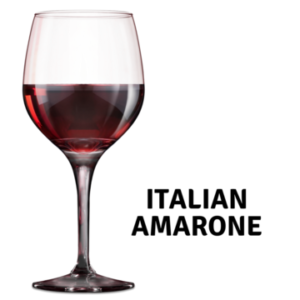
Customize your wine with options such as oak, grape skins, sweetness, or alcohol content. Try varieties like French Chardonnay, French Pinot Noir, or Italian Amarone to suit any meal or celebration. - Bring or Buy Bottles Sustainably
Reuse your sterilized bottles with every visit (or purchase new, reusable glass bottles for $1.35 each). This drastically reduces landfill waste, as emphasized by Wine Butler’s strong commitment to sustainability. - Bottle Your Batch & Organize
After 4-6 weeks, bottle your wine and store it properly (see best practices below). Stocking two 28-bottle batches monthly ensures you always have enough wine available for everyday enjoyment and special occasions.
Best Practices for Home Wine Storage—No Cellar Required
- Temperature Consistency: Store wine around 45-65°F (ideally 55°F), in a dark place such as a closet, cupboard, or basement corner. Avoid temperature swings that can spoil your wine.
- Protection from Light: Sunlight and strong interior lights degrade both color and flavor. It’s best to store wine in boxes, on their sides, and away from windows or appliances.
- Correct Humidity: A relative humidity of 50-70% is ideal. Store bottles sideways to keep corks moist and airtight—if your environment is dry, consider simple humidity packs.
- Minimal Vibration: Choose undisturbed spots away from running appliances (like fridges) which could agitate your wine over time.
- Basic Airflow: Ensure good air circulation to prevent mold or musty smells. Avoid damp storage spaces with little ventilation.
Most Wine Butler wines are designed to be enjoyed within a few months, but with proper storage many will age well for years. For more in-depth tips, explore our internally linked blog on choosing the best wine rack for long-term storage and wine bottle reuse for sustainability.
Wine Butler: Authority, Trust, and Real Results
Wine Butler is consistently rated highly for both service and product, with thousands of positive reviews noting the excellent staff, great equipment, and a process that makes winemaking enjoyable and affordable. Customers like D Frasca are enthusiastic about the consistent quality and savings, while J Cafua describes the experience of bottling wine for a wedding as outstanding. The policy is clear and customerproof: If you are unsatisfied with your wine for any reason, it will be replaced or refunded, no questions asked. This satisfaction guarantee underlines Wine Butler’s status as the go-to expert in the field.
Example Product Links
Frequently Asked Questions
How much can I really save with craft winemaking at Wine Butler?
With Wine Butler’s unique licensing and partnerships, you can save as much as 70% off the shelf price at most retail stores—largely by avoiding the 65% tax typical at the LCBO and similar stores, plus using reusable bottles and minimal packaging.
What types of wines are available and can I customize them?
The wine list offers more than 40 international styles, including bold reds, complex whites, and rosés. Customization options include oak, grape skins, different sweetness levels, and alcohol adjustments to suit every palate.
Is the quality comparable to retail wine?
Yes. Wine Butler uses global, premium ingredients and proprietary processes, with 50+ years of expertise. Many customers remark that the quality rivals or surpasses that of commercial bottles—see the 4.7 Trustindex rating from thousands of reviews. You also benefit from much lower preservative content.
How long does the process take, and do I need special equipment?
The craft winemaking process at Wine Butler typically takes 4-6 weeks. No specialized equipment is needed; all materials and support are provided at the shop during your visit.
How do I store my homemade wine?
Store in a cool, consistent, dark spot—sideways for corked bottles, upright for screw-caps. Temperature between 45-65°F is ideal, as is moderate humidity. For more tips, visit our related blog on best wine rack styles for longer-term storage.
What if I do not like the wine I make?
Wine Butler offers a 100% money-back guarantee. If you are unsatisfied, your wine will be replaced or refunded without any hassle.
Can I make wine for special events or gifts?
Absolutely. Many customers, such as J Cafua, bottle wine as wedding favors or gifts. Custom labels and gift certificates are available to personalize batches.
Conclusion
The smartest way to keep good wine in your home—without the recurring financial burden and hassle of weekly retail shopping—is to embrace craft winemaking in volume, expertly guided by the team at Wine Butler. The advantages are clear: significant savings, control over style and quality, sustainable practices, and true peace of mind. Our experience, resources, and high customer satisfaction guarantee that you’ll never run short of great wine, no matter the occasion.
If you are ready to start, visit Wine Butler or drop into any of our Ontario locations to begin your journey toward a better, smarter at-home wine experience.