



When you’re storing wine for several months, cork integrity becomes a crucial factor in preserving wine quality. The style of wine rack you choose directly impacts the humidity of the cork and the longevity and taste of your stored wines. The optimal wine rack for anyone concerned about corks drying out is a horizontal style rack. Bottles stored on their sides keep the corks in continuous contact with the wine, effectively maintaining their moisture. This minimizes the risk of air ingress and oxidation, which can degrade wines over time.
At Wine Butler, our decades of winemaking experience have shown that proper storage is as vital as the quality of the wine itself. Our clients regularly ask about the best ways to store batches of wine for both short and long periods. We always recommend horizontal storage racks, especially if you plan to store bottles for several months or even longer. Let’s dive into the science, options, and expert storage advice to ensure your wine stays in its best condition.

Definition: What Is a Horizontal Wine Rack?
A horizontal wine rack is a storage system designed to keep wine bottles lying on their sides, so the liquid remains in contact with the cork. This keeps the cork moist and swollen, maintaining a seal that prevents air from reaching the wine inside.
Why Horizontal Storage Preserves Wine Quality
There are two primary threats to wine during storage: air and outside humidity. When bottles are stored standing upright for months, corks gradually dry from the inside, shrinking away from the glass. Even tiny gaps allow oxygen inside, accelerating spoilage. Storing bottles horizontally eliminates this risk by maintaining cork moisture, preserving the wine’s flavor, aroma, and clarity. At Wine Butler, we emphasize this practice with every batch, as it’s fundamental for anyone bottling 14 or 28 wines at a time.
Step-by-Step: Ensuring Proper Cork Protection With Your Rack
- Choose a rack made for horizontal storage. Avoid any design that stores bottles standing upright or at a steep angle for extended periods.
- Install or place the rack in a cool, stable location.
- Lay each bottle flat so the wine touches the cork. For uneven racks, use a level to make sure bottles don’t gradually tilt upright.
- Monitor environmental humidity. Optimal relative humidity is generally 50–80%. Extremely dry spaces (think heated or air-conditioned rooms) can still dry corks from the outside even with horizontal storage.
- Rotate bottles if necessary if you detect sediment or need to rebalance the fill against the cork, though frequent movement isn’t usually required unless storing very old wines.
Types of Wine Racks Ideal for Months-Long Storage
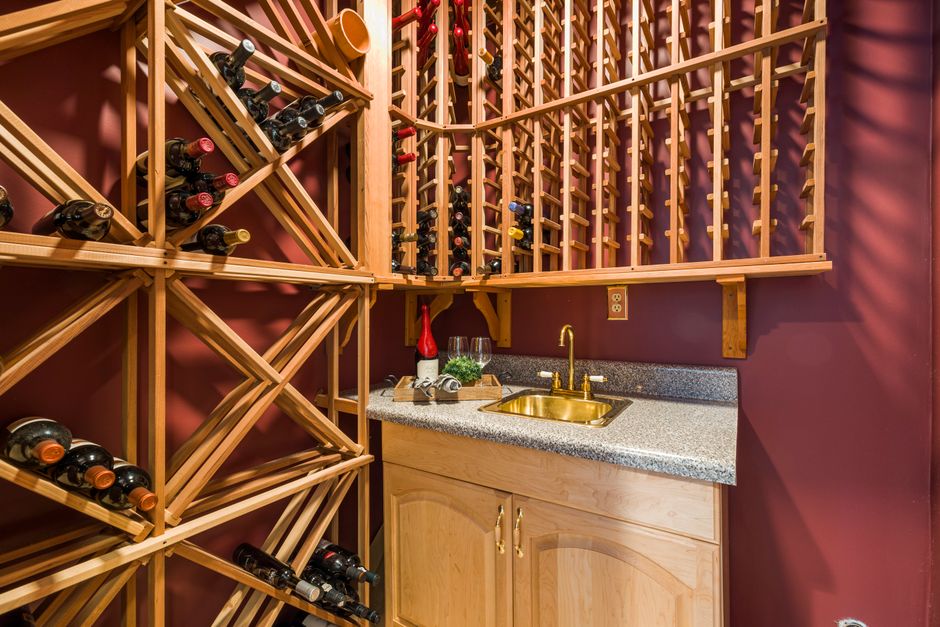
- Wall-Mounted Racks: These maximize vertical space and safely hold bottles in a fully horizontal position. Styles with secure slots or rails prevent rolling.
- Stackable Modular Racks: Flexible and expandable, these modular systems keep each bottle in its own horizontal bay, giving you room for growing collections. Make sure the system is designed so bottles are truly horizontal and not angled.
- Wine Cube Racks With Rails: Cubbies or cubes are excellent for bulk storage, and those with individual rails offer extra security, especially for Bordeaux-shaped bottles common at Wine Butler. Racks without rails may let sloped bottles slide, so choose cubes carefully for long-term use.
- Metal or Wooden Horizontal Shelving: Both are time-tested, with wood offering a traditional feel and metal boasting durability and low maintenance.
Essential Features to Look For in a Long-Term Storage Rack
- Perfectly Level Storage: Ensure the rack positions every bottle so the wine covers the cork.
- Secure Individual Bays: Each slot or cubby should prevent bottles from rolling or tilting upright over time.
- Durability: For months or years of holding dozens of bottles, racks should be sturdy with strong joints and quality hardware. Metal and hardwood racks are most reliable.
- Ventilation: A rack should allow air to move around bottles to prevent mold and label damage.
- Capacity for Growth: Especially for Wine Butler batches (14 or 28 bottles), choose a rack that holds your entire batch, with a few extra slots for future needs.
The Importance of Environmental Conditions
While the design of your rack matters, the wine’s environment plays an equal role in cork health and wine preservation. Even when bottled horizontally, extremely dry rooms can cause corks to dry from the outer side. Aim for a storage space with moderate humidity (50–80%), a consistent cool temperature, darkness, and minimal vibration. Many enthusiasts choose basements or specially built cellar closets. If your only option is a warmer or drier room, consider using small room humidifiers or water trays nearby.

Maintenance and Inspection: Key Steps for Months-Long Storage
- Dust and clean the rack regularly to avoid mold or musty odors near corks.
- For wooden racks, keep them away from moisture or direct heat, which can warp the structure over time.
- Inspect racks every few months to ensure no bottle has shifted upright or become loose.
- Check for any signs of seepage at the cork — a possible indicator of temperature flux or improper cork contact.
- For reusable bottles like those provided at Wine Butler, ensure bottles are fully sterilized and dry before storing to prevent off odors and contamination.
Horizontal Wine Storage: Best Practices from Wine Butler
After guiding thousands of clients through the winemaking and storage process at Wine Butler, we see the power of proper rack style and storage firsthand. Here are our top guidelines:
- Always lay wine on its side for storage exceeding a few weeks — this is non-negotiable if you want to avoid cork problems.
- Select racks that are meant for bottle stability, not just for display. Avoid racks designed purely for decorative effect with bottles angled steeply downwards or upright.
- If you’re making wine in larger batches (like our 28-bottle kits), plan your rack space in advance. Running out of horizontal slots can force you to store bottles upright, defeating the purpose.
- Store your rack away from high-traffic areas, sunlight, kitchen appliances, and central heating units.
- Use the batch dates from your Wine Butler bottles to help track how long bottles have been stored, ensuring regular rotation and timely enjoyment.
Additional Tips: When to Use Alternatives
For wines with synthetic corks or screw caps, upright storage poses less risk, as these closures don’t require moisture contact. However, the vast majority of quality wines at Wine Butler are sealed with natural corks, where horizontal storage provides maximum protection.
Connecting Storage to Sustainable Winemaking
The Wine Butler approach to sustainability pairs perfectly with intentional, long-term storage. Our clients benefit from reusing bottles across multiple batches, reducing landfill waste and the need for labels or shrink tops. This means your investment in a quality horizontal rack continues to pay off as you refill, sterilize, and repeat the wine-making journey. For a breakdown of how our storage-friendly batch sizes and bottle reuse beat traditional retail options, see our comparison of batch size, bottle reuse, and overall value.
Comprehensive FAQ: Best Wine Rack for Corks and Storage Duration
How long can I store wine bottles horizontally without worrying about cork damage?
With bottles stored on their sides in a good environment, wines can generally be stored for months or even years. Natural corks stay moist this way and keep air out, preserving both red and white wines effectively if the temperature and humidity are right.
What if I don’t have a perfectly humid room?
While 50–80% relative humidity is ideal, bottles lying on their side will still prevent most cork-drying issues unless your storage area is extremely dry. If in doubt, monitor your room’s humidity with an inexpensive meter or consider modest humidification.
Can I use stackable modular racks if I plan to increase my wine collection over time?
Absolutely. Stackable racks work well as long as each bay holds bottles fully horizontal. They offer flexibility, making them perfect for regular Wine Butler customers who start with 14-bottle batches and expand to 28 or more.
What if a few bottles must be stored upright due to space?
Short-term upright storage (a week or two) is not a major risk, but over months, upright bottles will develop drier corks. Prioritize filling horizontal slots first and always store your best wines on their sides for maximum quality.
Are there any signs that my cork is drying out?
Yes. Look for corks that are shrunk, pushed into the bottle, or leaking wine. If you notice crumbling or a musty smell, the cork may already be compromised. Prevent these issues by storing bottles on their sides, as we recommend for all our Wine Butler wines.
Do I need a special rack for sparkling wines?
Sparkling bottles, such as Champagne, should also be stored horizontally. Just be sure the rack slots fit the bottle’s unique shape. Many wall-mounted racks accommodate both standard and sparkling bottles.
Conclusion: Making the Smart Choice for Your Wines
Storing wine for months doesn’t need to be complicated or intimidating. By choosing a horizontal wine rack that fits your batch size, ensuring each bottle stays level and in a stable environment, you lay the foundation for enjoying your wine at its very best. As winemakers who work closely with our clients from fermentation through storage, Wine Butler sees firsthand how these simple habits pay off with every bottle opened and shared.
If you’re ready to begin your own winemaking journey—or want advice on maximizing the life of your next 28-bottle batch—our team at Wine Butler is always here to help you enjoy quality, sustainability, and the rich rewards of your craft. For more ideas on how to optimize your space, see our guide on best wine rack setups without a dedicated wine cellar.