


Wine lovers who make wine on a regular basis face a unique challenge: keeping track of multiple red and white batches so no bottle gets forgotten, lost, or past its prime. With larger batches, reused bottles, and varied aging needs, the organizational systems that work for the average drinker simply aren’t enough. At Wine Butler, we see firsthand how streamlined organization pays off in quality, enjoyment, and sustainability—especially for customers crafting multiple varieties at once.
Definition: Efficient Wine Organization for Home Winemakers
Efficient wine organization refers to a set of habits and systems that allow winemakers to easily separate, track, and rotate their bottles of red and white wine. The goal is to prevent bottles from being forgotten or overlooked, maximize the longevity and quality of every batch, and create a seamless experience from bottling to the last pour. Simple, consistent organization also enables you to make the most of Wine Butler’s approach—reusing bottles, reducing waste, and optimizing your selection for both everyday and special occasions.
Why Proper Organization Is Essential for Regular Winemakers
- Volume builds quickly: With each Wine Butler batch yielding 14 or 28 bottles and dozens of styles available, even one or two monthly batches can grow a collection fast.
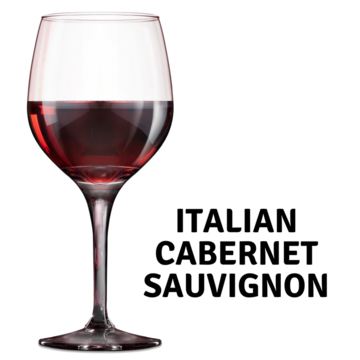
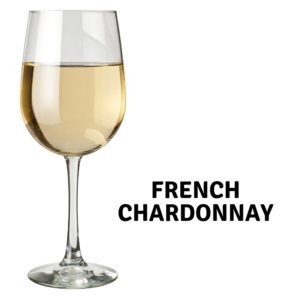
- Red and white wines have different aging and serving requirements: Keeping them clearly separated prevents serving mistakes and ensures each gets the right care.
- Lack of organization leads to forgotten bottles: This can mean missed prime drinking windows or duplicate styles accumulating, reducing enjoyment and value.
- Organization aligns with sustainability values: Wine Butler customers benefit from sterilized, reusable bottles with each visit, and tracking returns and inventory further reduces waste.
- Saves time and effort: A well-labelled and logged system means you’re never scrambling to find an appropriate bottle for dinner or a gathering.
The Wine Butler Approach: A Grid System for Reds and Whites
After decades helping Ontario’s winemakers organize home collections, Wine Butler recommends a simple yet robust grid method. This approach ensures that every red and white is accounted for and easy to access. It’s customizable for any home size, requires minimal expense for supplies, and works perfectly with our batch system and reusable bottles.
Step-by-Step Framework to Organize Your Wine Efficiently
-
Designate Separate Zones for Reds and Whites
- Choose two distinct areas in your storage space: one for reds, one for whites. This could be shelving units, wine racks, or labeled crates.
- Place bold labels—”Reds” and “Whites”—on racks or containers.
- The simplest split often uses two side-by-side racks (or a two-column shelf) to create a clear visual cue and avoid mix-ups.
-
Use a Grid System for Each Zone
- Assign every storage unit a simple alphanumeric grid—letters for columns, numbers for rows (e.g., A1, B2). This transforms even a basic rack into a precise tracker.
- Label spots or use a map on paper or digitally (Google Sheets is ideal). For example, if a rack holds 5 bottles across and 6 deep, your grid runs from A1 to E6.
- Upon bottling, place each wine into a mapped spot (e.g., Cabernet Sauvignon at B3, Pinot Grigio at D5).
-
Tag and Record Details on Every Bottle
- Either use custom labels (available at Wine Butler) or simple masking tape with hand-written style, batch date, and drink-by date.
- Add the grid location (e.g., “C2 REDS”) on the label for even easier cross-referencing.
- This habit means no bottle ever gets anonymous or untracked, drastically reducing the risk of bottles being left behind.
-
Maintain a Digital or Paper Inventory
- Create a logbook or spreadsheet with columns for wine style, batch date, location (grid code), number of bottles left, and notes.
- Update after every bottling and each time you pull a bottle, so your record stays accurate.
- Wine Butler’s clients often find a spreadsheet takes just a few minutes per month to review.
-
Review and Rotate Inventory Regularly
- Set a calendar reminder—weekly or monthly—to cross-check your inventory and physically inspect your wine rack.
- Move bottles that are approaching their ideal drink window forward.
- This regular review keeps bottles from hiding out at the back or being forgotten behind new arrivals.
Best Practices for Home Wine Organization
- Store bottles horizontally: This keeps corks moist, especially important for reds.
- Optimize conditions: Choose a cool, dark space away from heat or vibration. Basements, closets, or even under-bed racks can all work well. Wine Butler wines require the same care as premium commercial wines.
- Color-code zones: Use colored tape or shelf labels to reinforce separation—red for reds, white for whites.
- Place high-turnover bottles up front: For styles you enjoy most or use in cooking, give them an accessible front row spot. For ideas on culinary use, see our article on pairing wine with desserts.
- Batch tracking for boosters: Note if the Wine Butler batch had extra oak, alcohol, or grape skins. This helps identify favorites when restocking.
- Encourage sustainable habits: Always sterilize and reuse bottles for each new batch and record returns in your system.
- Leverage custom labels: Take advantage of Wine Butler’s custom labeling. If you’re giving bottles as gifts or for special occasions, labels boost both organization and presentation.
Wine Storage Solutions: Affordable Tools for Every Household
- Stackable Wooden Wine Racks: Sturdy, cost-effective, and easy to label, these racks scale up as your collection grows.
- Plastic Crates for Temporary Overflow: Stackable crates can be a good backup if you have more batches than usual.
- Sheet Labels and Permanent Markers: Available from Wine Butler or any office supply store, these keep labeling simple and visible.
- Spreadsheet for Logging: Free digital tools such as Google Sheets work well, but a simple notebook is enough for many clients.
How This Method Prevents Bottles from Being Forgotten
The key advantage of a consistent, visible system is that every bottle is always accounted for. With regular review, nothing sits at the back until it’s past its peak. The combination of physical grid labeling and digital or paper tracking means even if you have multiple batches ongoing—often the case for Wine Butler’s high-volume customers—every bottle is easily identified, rotated, and enjoyed at its best. This simple approach is especially valuable for those making full 28-bottle batches, optimizing both value and sustainability.
Real Customer Reviews: What Organized Winemakers Say
“Great wine ~ great staff ~ great experience!! Thanks!!” – D Stamp, Wine Butler customer
“Fantastic. The quality of the wine is excellent, the service is impeccable and the cost is extremely reasonable.” – D Frasca, Wine Butler customer
“My fiancé and I bottled wine today for our wedding favors. We had an amazing experience! Will definitely be back again!” – J Cafua, Wine Butler customer
FAQ: Organizing Wine Batches at Home
How often should I update my inventory log?
Ideally, update your inventory every time you bottle a new batch and each time you remove a bottle. For most, a quick review once a week helps keep records current and ensures nothing gets overlooked.
What if I run out of space?
Stackable racks and crates allow you to expand as needed, and rotating out empties for reuse helps prevent clutter. Many Wine Butler clients find splitting into half-batches (14 bottles) is a good way to avoid overcrowding, particularly for those with limited space.
Is it safe to store reds and whites together?
Yes. Both should be stored at a stable, cool temperature (ideally 12-14°C) and away from direct light. Separating by zone within a single storage area works well if you don’t have a cellar or dual fridges. For more advanced storage tips, see our post on choosing a wine rack style if you’re storing bottles for months.
What labeling and tracking supplies work best?
Custom labels from Wine Butler offer a professional touch, but simple masking tape and a permanent marker are highly effective too. Consistency is more important than complexity.
How long should I age my Wine Butler reds and whites?
Most whites are best within one year, while reds can be aged longer. However, every batch includes batch dates, so refer to those and taste-test a bottle periodically. If unsure, ask Wine Butler staff for advice.
What’s the best way to make sure I never forget a batch?
Combine physical labeling, a grid map, and digital/paper logs. Regular review—especially after bottling new batches—ensures bottles are always visible. Setting calendar reminders to rotate and taste also helps.
Conclusion
For any regular winemaker, a simple and robust organization system is the difference between a well-managed collection and wasted effort. Wine Butler’s grid method, clear zone separation, and easy batch tracking enable you to keep both reds and whites optimally stored, minimize risk of forgotten bottles, and make the most of every batch you create. With more than 50 years of experience, expertise in low-preservative sustainable winemaking, and a trusted guarantee, Wine Butler is your partner for every step—from bottling to organization to every perfect pour.
If you’re ready to enjoy premium wine without waste or hassle, discover more about our process, wines, and time-tested tips by visiting Wine Butler. You can start, organize, and enjoy your next batch with total confidence.