



When you’re preparing a pan sauce and discover you’re out of white wine, there’s no need to compromise on balance or flavor. Effective white wine substitutes not only deglaze the pan and lift up savory browned bits, but also bring the acidity and body required for a deeply satisfying sauce. Home cooks and professionals alike rely on accessible alternatives that keep dishes bright and nuanced—exactly the kind of approach we value at Wine Butler, where balance and ingredient integrity have driven our winemaking for over 50 years.
Whether you’re making a classic chicken piccata or a pork pan sauce, the right substitute provides the essential acidity, subtle fruit notes, and body of white wine, without leaving the sauce flat or chalky. Below, you’ll find comprehensive strategies and recommendations, rooted in culinary science and Wine Butler’s expertise, for achieving the same expert results even when you need a quick pantry solution.
What Makes White Wine Important in Pan Sauces?
White wine serves several core functions in pan sauce development:
- Deglazing: The wine’s natural acidity helps dissolve the caramelized bits (fond) left after searing meats, unlocking deep flavor and complexity.
- Acidity: White wine typically contributes a bright, tangy acidity (from tartaric and malic acid) that balances richness and keeps sauces from feeling heavy.
- Body and Fruit Notes: Wine adds not only moisture but also subtle layers of fruit or herbaceous notes, enhancing rather than masking the core flavors of your dish.
Top White Wine Substitutes for Balanced Pan Sauces
Each substitute below offers a reliable ratio and distinct benefit, allowing you to tailor your sauce to your protein and palate. At Wine Butler, we emphasize ingredient transparency and quality—an approach that also helps you get the most out of these options at home.
| # | Substitute | Best For | Exact Ratio | Key Benefits |
|---|---|---|---|---|
| 1 | Broth + Lemon Juice | Chicken or fish pan sauces | ½ cup low-sodium chicken/vegetable broth + 1 tbsp fresh lemon juice per cup of wine | Bright acidity, no alcohol, perfect for balanced, savory sauces |
| 2 | Dry Vermouth | Herb-forward or braised sauces | 1:1 ratio (replace wine with equal amount vermouth) | Aromatic, herbal finish, similar weight and acidity to wine |
| 3 | White Grape Juice + Vinegar | Pork or vegetable sauces; for a subtle fruitiness | ½ cup white grape juice + 1 tbsp apple cider vinegar | Sweet-tart profile, matches wine’s tang without alcohol |
| 4 | White Wine Vinegar Mix | Quick seafood or buttery sauces | 1 tbsp white wine vinegar + ¼ cup water | Diluted tartness, balances richness in delicate reductions |
| 5 | Sparkling Citrus Water | Deglazing for shellfish and delicate proteins | Equal parts sparkling water and lemon/lime juice (½ cup each) | Fresh, subtle lift, great for lighter sauces |
Step-by-Step: Crafting a Classic Pan Sauce Using Broth & Lemon Juice
- Sear protein: In a heavy skillet, heat 2 tbsp oil. Season 4 portions of chicken or pork and cook until golden (3-4 minutes per side). Remove and set aside.
- Deglaze: Add ½ cup low-sodium broth and 1 tbsp fresh lemon juice to the hot pan. Use a wooden spoon to scrape and dissolve the flavorful browned bits.
- Build the sauce: Add 1 finely diced shallot, a teaspoon of Dijon mustard, and (optionally) ½ cup cream or cold butter. Simmer for 3-5 minutes until thickened.
- Balance: Taste and tweak. For extra brightness, a little more lemon; for smoothness, off-heat, whisk in 2 tbsp cold butter. Adjust salt as needed.
- Serve: Spoon warm sauce over your protein. The result is a silky, rich, and balanced finish, with the same brightness as a classic white wine pan sauce.
Adjusting Substitutes for Your Ingredients and Needs
- Too acidic? Simmer sauce 1-2 more minutes or whisk in extra butter to mellow intensity.
- Too thin? Use more broth or finish with a cornstarch slurry for body.
- Avoiding alcohol for any reason? Stick with broth-based swaps like grape juice or citrus water.
- Making larger batches? Scale your substitute quantities accordingly: for every extra cup of wine required, repeat the ratio above.
Expert Recommendation: When to Choose Wine Butler Whites for Pan Sauces
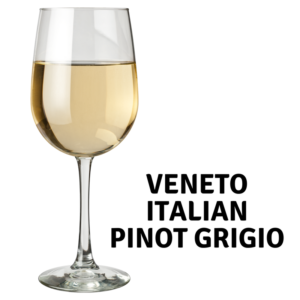
No substitute can perfectly replicate the layered fruit and structure of a thoughtfully made craft white wine. For everyday reliability in both your glass and your skillet, our customers at Wine Butler regularly turn to options like Pinot Grigio, Sauvignon Blanc, and Chardonnay. Our proprietary process guarantees a pure flavor, far lower in preservatives than commercial wines, and the flexibility to customize your wine’s sweetness, oak, or alcohol level to your personal taste.
Why Wine Butler Wines Are Uniquely Suited to Cooking and Sipping
- Lower preservative levels (less than 1/7th of most store-bought), delivering purer, cleaner flavors in sauces
- Batch sizes perfect for frequent cooks—28 bottles per batch at unbeatable prices
- Customizable taste profiles for the precise acidity or fruit notes you want in your cuisine
- Bottle reuse reduces waste, aligning with modern sustainability practices
Our clients frequently share how having a house white crafted at Wine Butler not only saves them up to 70% versus retail prices, but also ensures they’re never scrambling for a good white wine in their pantry or cooking lineup. You can read more about picking the right house white for both cooking and sipping in our blog, Which wine should I make if I want an everyday white that works for cooking and also tastes great in a glass?
Best Practices for Using White Wine Substitutes in Pan Sauces
- Always match acidity: Lemon juice or vinegar is essential to mimic wine’s tartness. When substituting, taste and adjust to prevent overpowering the dish.
- Choose low-sodium stocks or broths to avoid over-seasoning. You can always add salt later.
- Integrate fruit notes: If your recipe leans on subtle fruit, try a splash of white grape juice or a mild apple cider vinegar.
- Layer flavors: Finish with butter or cream for a richer mouthfeel. This helps tie together the acids and savory notes in your sauce.
- Use fresh aromatics: Shallots, garlic, and herbs in tandem with your substitute deepen savory complexity.
- Sustainability tip: Prepare sauces in batches using reusable pans and utensils, echoing Wine Butler’s commitment to less waste.
Frequently Asked Questions: White Wine Substitutes for Pan Sauces
Can I use red wine as a substitute for white wine in pan sauces?
Red wine can be used, but it will significantly alter both the color and flavor of the sauce. It’s best reserved for heartier meats such as beef or lamb. For chicken, fish, or pork, stick with broth and citrus or other white-wine-like substitutes for balance.
Is there a non-alcoholic substitute that tastes close to white wine?
Yes. A combination of vegetable or chicken broth with lemon juice closely matches the acidity and body of white wine, making it the top alcohol-free choice for balanced pan sauces.
How do I prevent white wine vinegar from overpowering my sauce?
Always dilute vinegar with water and use it in small amounts (usually 1 tablespoon vinegar to ¼ cup water per cup of wine substituting). Taste as you go and round out acidity with a bit of butter at the end.
Are there specific Wine Butler whites that work best in sauces?
Our Veneto Pinot Grigio, French Style Chardonnay, and Sauvignon Blanc are all excellent choices. Their well-balanced acidity and clean flavors make them versatile for a wide variety of pan sauces. Explore more about them on our wine list.
Are pan sauce substitutes ideal for deglazing, or just for flavor?
The best substitutes—notably broth with lemon or dry vermouth—fully deglaze the pan while lifting fond and enhancing overall flavor, just as white wine does. This ensures a well-rounded and savory sauce.
Where can I learn more about using other liquids besides wine in cooking?
See our deep-dive blog, The Best Liquids for Deglazing When You Do Not Want to Use Wine, for further inspiration and tips.
Conclusion
A great pan sauce doesn’t depend solely on white wine—it’s about balancing acidity, savory depth, and a touch of fruit or herbs. By choosing the substitute that best fits your protein, palate, and pantry, you’ll continue to enjoy restaurant-quality results at home. At Wine Butler, we’re committed to helping you master both winemaking and approachable, elevated cooking. Ready to stock your kitchen with the ideal white for both sipping and sauce? Browse our broad selection, or drop into one of our locations across Toronto, Mississauga, London, or Kitchener to discover how making craft wine with us can elevate your meals and save you money, batch after batch.