


For anyone concerned about sugar intake but still eager to savor a glass of wine, understanding sugar content across different red and white wine styles is essential. Many wine enthusiasts are surprised to discover that the vast majority of dry wines—both red and white—are extremely low in sugar per glass. Choosing wisely allows you to enjoy the nuances of wine without adding unnecessary sugar to your diet. Below, we’ll unpack which styles are safest, how to interpret sweetness, and how Wine Butler provides unmatched transparency and control for those watching their sugar intake.
What Does “Sugar in Wine” Really Mean?
“Sugar in wine” refers to the residual sugar remaining after fermentation. Grape juice naturally contains both glucose and fructose. During fermentation, wine yeast converts the majority of these sugars into alcohol. The level of remaining sugar depends on the grape variety, the fermentation process, and winemaking decisions at each step. Most dry wines are fully fermented until virtually all sugar is converted, leaving only tiny traces—often less than 1 gram per 5-ounce (150 ml) glass. In contrast, off-dry, dessert, and certain “late harvest” wines purposefully retain higher levels of sweetness.
Step-by-Step: How to Identify Low-Sugar Wines
- Know the Style: “Dry” wines are those with no detectable sweetness. Terms like “brut” (for sparkling), “sec,” or “extra sec” also indicate dryness.
- Check the Label (if possible): Some producers (especially in Canada) provide grams per liter (g/L) for residual sugar. In absence of this, classic styles are your best indicator.
- Understand the Region: Certain regions have a tradition of dry winemaking (e.g., Bordeaux, Burgundy, Rioja). Others, like Germany’s Mosel, often produce sweeter styles.
- Ask for Guidance: At shops or tasting rooms, clarify that you want dry, minimal-residual-sugar wines. When making wine with Wine Butler, staff can explain or adapt the process for your goals.
Low-Sugar Red Wine Styles: Your Safest Picks
Dry reds are almost always your lowest-sugar option. They undergo full fermentation, leaving virtually no residual sugar. The following styles stand out as reliable picks for those minimizing sugar:
- Cabernet Sauvignon – iconic for bone-dry structure, deep berry and herbal notes. <2g sugar/glass.
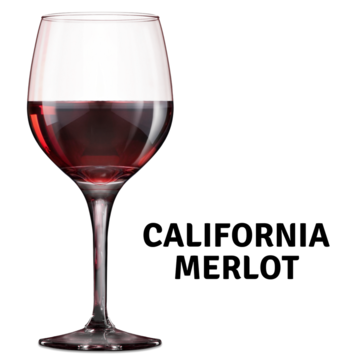
- Merlot – soft, smooth, classic; typically bone dry (
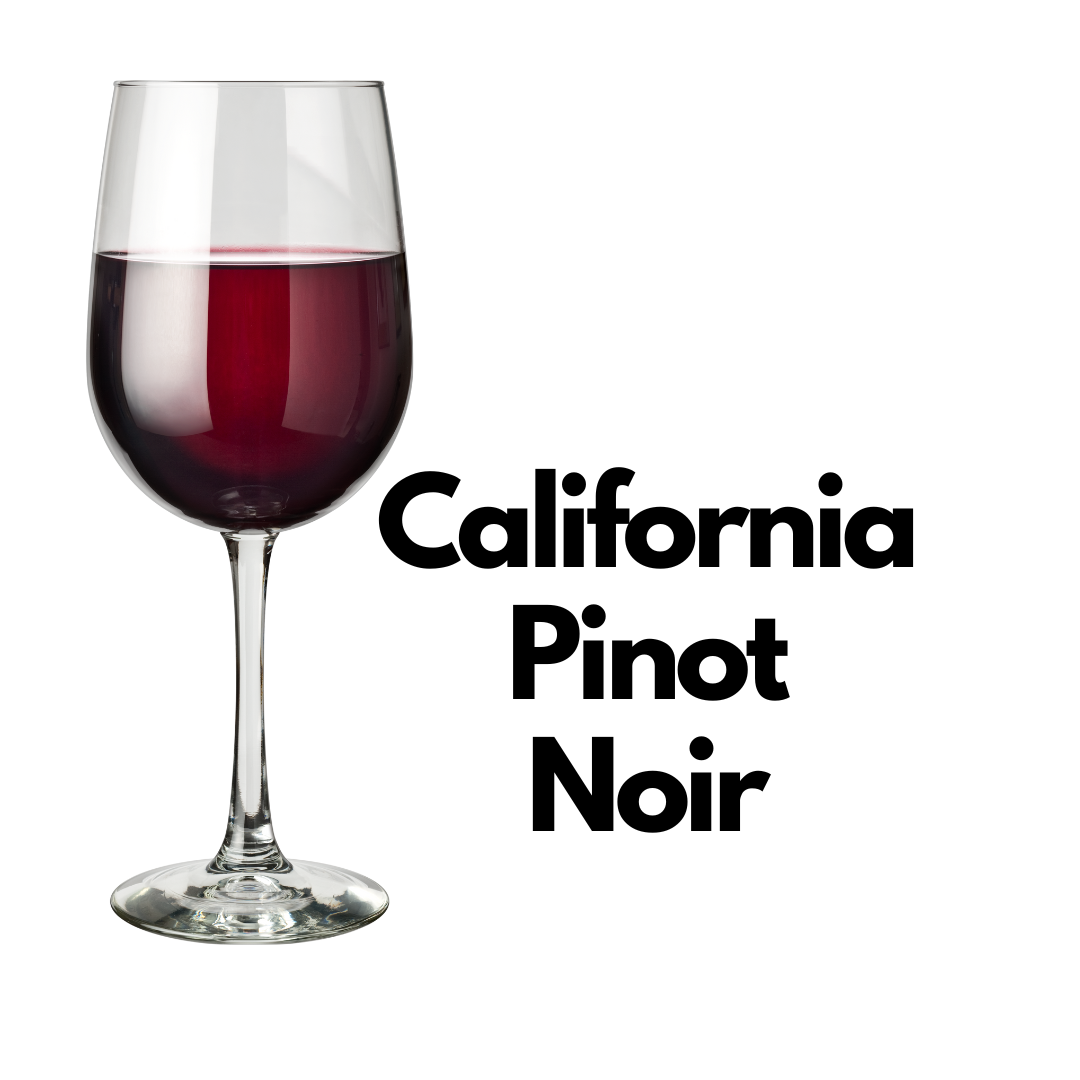
California Merlot - Pinot Noir – light-bodied, vibrant, very low in sugar; around 1.4g/glass.
California Pinot Noir - Shiraz/Syrah – vibrant, peppery, reliably dry (
- Tempranillo – Spanish origins, notably dry and elegant.
- Malbec – intense color and flavor, but remains bone dry in traditional styles.
- Sangiovese – heart of Chianti, crisp acidity, dry finish.
True dry red wines from classic grapes (especially when crafted by reliable producers like Wine Butler) all remain well below 2g sugar per glass.
Low-Sugar White Wine Styles: What to Choose
Many assume white wines are always sweeter, but several major varieties are just as dry as reds. Your best bets:
- Sauvignon Blanc – celebrated for crisp, dry elegance and extremely low sugar.

Loire Valley Sauvignon Blanc - Chardonnay – dry, rich or crisp styles; reliably under 1.5g/glass.
- Pinot Grigio/Gris – aromatic, dry, and clean (
- Chenin Blanc (when vinified dry) – floral, crisp, very little residual sugar.
Just like with reds, these white wines—especially when marked as “dry” or made in traditional styles—contain negligible sugar.
Styles to Avoid or Limit for Sugar-Conscious Drinkers
Certain wine styles, while delicious, are inappropriate for strict low-sugar needs:
- Riesling (unless labeled “dry”), Gewürztraminer, and Moscato – often off-dry or sweet (can exceed 5g/glass).
- White Zinfandel/Rosé (from sweet styles) – often much higher in sugar.
- Dessert wines (Port, Sauternes, Icewine) – extremely high sugar (up to 30g+ per glass).
- Italian ripasso, Amarone, or Appassimento reds – made with dried grapes, resulting in deceptively dry taste but with considerably more residual sugar than standard dry reds.
If you’re unsure, consult a trusted source like Wine Butler or request explicit details from your winemaker or wine retailer.
How Do Sweetness Levels Compare? (Wine Sugar Chart)
| Sweetness Category | Grams Sugar (per 5oz glass) | Common Wine Examples |
|---|---|---|
| Bone Dry | <1g | Sauvignon Blanc, Cabernet Sauvignon, Pinot Grigio |
| Dry | 1-1.4g | Chardonnay, Merlot, Pinot Noir |
| Off-Dry | 1.4-5g | Riesling (off-dry), Gewürztraminer, sweeter rosés |
| Sweet | 5-18g | Moscato, sweet Riesling, some mass-market Zinfandels |
| Very Sweet/Dessert | 18g+ | Port, Icewine, Sauternes, dessert muscats |
Best Practices for Selecting Low-Sugar Wines
- Choose wines from classic “dry” categories. Avoid keywords like “late harvest,” “dessert,” or “off-dry” unless you’re open to higher sugar.
- At restaurants or retail shops, ask staff for their driest red or white option and clarify your goal.
- When making wine at Wine Butler, discuss with us—our team can guide you toward bone-dry fermentations and help you avoid added sweeteners.
- Don’t rely solely on taste. Acidic wines can taste crisp even if slightly higher in sugar, and vice versa.
- If in doubt, seek well-known varieties: Cabernet Sauvignon, Merlot, Pinot Noir, Sauvignon Blanc, Pinot Grigio, and Chardonnay.
Take Control: Why Crafting Your Own Wine Is the Ultimate Option
Want absolute certainty about what’s in your wine? Making your own at Wine Butler allows complete control over sugar content and winemaking style. Our unique approach uses less than 1/7th the preservatives found in commercial wine and permits you to customize every batch to your preference. You can choose among more than 40 wine styles—including multiple varieties of dry reds and whites with near-zero residual sugar. We’re transparent about every ingredient and step; there’s no guesswork.
For example, if your doctor or nutritionist recommends limiting sugar, we’ll guide you to styles like California Merlot, Loire Valley Sauvignon Blanc, or an Australian Shiraz, so you know exactly what goes in your bottle (and what stays out).
Our sustainability efforts, from bottle reuse to minimal packaging, align with a health- and environment-conscious approach. You can find more about bottle sterilization quality in our blog on our sterilization standards, and detailed explanations of dry winemaking styles for sugar-conscious drinkers in this guide.
FAQ: Wine Sugar Content & Health Choices
Which wine styles are lowest in sugar?
Bones-dry reds (Cabernet Sauvignon, Pinot Noir, Merlot) and dry whites (Sauvignon Blanc, Chardonnay, Pinot Grigio) have the lowest sugar—often under 1g per glass, especially when made under close supervision at a craft winemaking facility.
Why do some dry-tasting wines still contain sugar?
Acidity, tannins, and alcohol can mask residual sugar. Some wines, especially Amarone and ripasso reds, may taste dry but contain more sugar due to the use of semi-dried grapes. Always verify with the producer or read technical sheets, where available.
How can I be sure of sugar content if labels don’t list it?
Stick with classic dry styles and consult experienced wine professionals. When crafting wine at Wine Butler, we provide transparency, allowing you to select options with clear, minimal sugar.
What about sulfites and preservatives?
Wine Butler wines feature less than 1/7th the preservatives compared to most commercial bottles while maintaining exceptional quality. More about our process is available in our blog on preservatives in wine.
Can sugar content in wine affect my health?
For those managing medical conditions or carefully tracking carbohydrate intake, understanding and managing wine sugar is essential. Choosing dry wines (often from craft producers) is an effective way to minimize sugar in your diet.
Conclusion
Choosing the right wine when you’re minimizing sugar doesn’t have to be a guessing game. Dry reds like Cabernet Sauvignon, Pinot Noir, and Merlot, as well as crisp whites like Sauvignon Blanc and Chardonnay, are your safest picks for the lowest sugar content. At Wine Butler, you not only get expert guidance and sustainable winemaking practices, but also direct control over ingredients—offering a transparent, customized solution for every wine lover. Interested in learning more or starting your own batch? Explore our selection, reach out with questions, or visit us at one of our convenient Ontario locations. Enjoy great wine, keep sugar low, and make every glass the right choice for your health.
