


Many wine lovers dream of crafting their own wine, but the reality of home winemaking versus a professional winemaking experience can be dramatically different in terms of time commitment, effort, and results. Understanding where the hours truly go—whether you’re making wine at home or choosing to outsource parts of the process—can help you decide how to maximize enjoyment and value from every batch. This guide breaks down the actual workflow, time investments, and smart outsourcing opportunities, leveraging the expertise of Wine Butler, Ontario’s leading authority in affordable, low-preservative craft winemaking.
Understanding Winemaking: Definitions & Core Differences
Home winemaking is the process of fermenting, aging, and bottling wine at your own home using kits or fresh ingredients, with the winemaker responsible for all equipment management and quality control. A winemaking experience at a facility like Wine Butler involves clients selecting a wine style and participating in key steps, while skilled staff manage technical fermentation, equipment sterilization, and bottling on-site. This option delivers professional results with minimal hands-on time from the customer.
Step-by-Step: Where Your Time Goes in Each Approach
| Stage | Home Winemaking | Professional Experience (Wine Butler) |
|---|---|---|
| Preparation, Sourcing & Setup | 1-2 days ordering kits, sanitizing equipment; high risk of contamination. | Single 1-hour visit: Select from 40+ global wine styles. No equipment needed—all materials prepared in advance. |
| Primary Fermentation | 7-14 days with daily stirring, sugar reading, and temperature checks. 10-20 minutes per day. Missing a task can risk a bad batch. | Wine Butler handles yeast addition, monitoring, and environmental controls using a proprietary process. Clients are free until bottling. |
| Secondary Fermentation & Aging | 4-8 weeks with several equipment transitions (racking), regular monitoring, and extensive cleaning. Adds 5-10 hours of effort. | 3-4 weeks: Staff manage racking, filtering, and stabilizing. No customer involvement between visits. |
| Clarification & Bottling | Manual degassing, fining, and bottling over 3-5 hours. Each bottle sanitized by hand; labor-intensive without professional gear. | Return for a 1-hour session. Bottles are sterilized and reusable, with no need for labels or shrink tops unless desired. |
| Total Time Invested | 8-12+ weeks, roughly 40+ hours of labor, not including troubleshooting. | 4-6 weeks to finished wine, with only 2-3 hours required from the customer—all quality guaranteed. |
Where Home Winemaking Consumes Time
- Sanitizing Equipment: Every fermenter, carboy, hose, and bottle must be cleaned and sanitized before and after use. Many home winemakers report 4-6 hours spent per batch—and a single shortcut can spoil the wine.
- Daily Attention During Fermentation: Maintaining temperature, testing gravity, and stirring can account for 10-20 hours across the initial weeks. Any lapse can cause stuck fermentation or flavor issues.
- Racking, Filtering, and Clarification: Siphoning wine off sediment multiple times has to be done carefully, often over weekends. Each transfer risks exposure to oxygen or wild yeasts, and the cleaning never stops.
- Bottling Day: Sanitizing and corking 28 bottles by hand is labour-intensive and takes up most of a half day.
- Troubleshooting: Off aromas or cloudy batches necessitate further research and effort to salvage wine, often with no guaranteed results.
Quality and Cost Considerations
While home winemaking kits may appear inexpensive—around $150 to yield roughly $4/bottle—factoring in 40 hours or more of personal time increases the real cost per bottle dramatically. Without industrial cleaning equipment, risks of batch loss are also higher, and plastic waste from single-use kits adds up over time.
Key Tasks Worth Outsourcing in Winemaking
For those looking to save time, improve consistency, and enjoy truly sustainable wine, there are distinct points in the winemaking journey where outsourcing delivers the most benefit. At Wine Butler, these are the primary value areas:
- Sanitization & Ingredient Sourcing: All equipment and materials are professionally cleaned and prepared, eliminating one of the main causes of failed home batches and saving 4-6 hours per cycle.
- Fermentation Monitoring and Management: The challenging aspects of yeast management, temperature control, and troubleshooting are handled by skilled staff, preventing stuck or spoiled fermentations.
- Bulk Filtration and Racking: Automated, commercial-grade processes deliver clearer wine with less handling time, minimizing oxidation risk and haze.
- Bottle Sterilization and Reuse: Bottles are sterilized and reused for each batch (or can be purchased for a nominal fee), dramatically reducing waste and simplifying returns for future bottling. Clients can skip using labels and shrink tops for even greater sustainability.
- Guarantee of Quality: Wine Butler offers a no-questions-asked refund or replacement if a batch doesn’t meet your standards. This peace of mind is impossible in home setups, where quality issues may write off an entire investment.
Wine Butler’s Proven Workflow: From Selection to Bottling
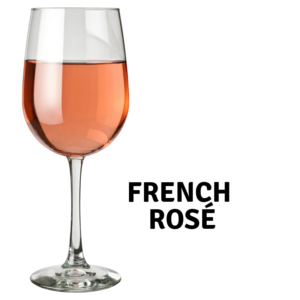
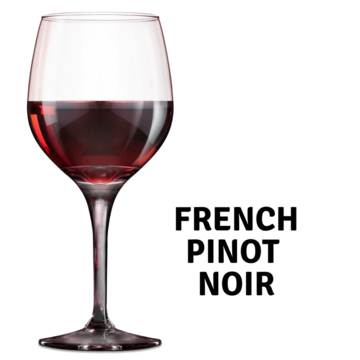
- Visit & Choose Your Batch: Stop by a convenient location in Toronto, Mississauga, London, or Kitchener. Choose from 40+ international styles, from robust reds like French Pinot Noir to crisp French-Style Rosé.
- Start Your Batch: With everything prepped, your only task is picking preferences. Customize with oak, sweetness, or grape skins, then return home.
- We Handle the Rest: Over 4-6 weeks, our staff manage fermentation, racking, filtering, and stabilization with proprietary techniques for low-preservative, high-quality results.
- Bottle Your Wine: Return for a 1-hour bottling session. Bring your reusable bottles or purchase at minimal cost. Our team sterilizes the glass, ensuring safety and sustainability.
- Take Home and Enjoy: Leave with 14 or 28 bottles of wine ready to drink or age, saving up to 70% compared to LCBO retail pricing and contributing to waste reduction by reusing packaging materials.
Best Practices for Time-Smart, Quality Winemaking
- Assess your goals: If you value hands-on experimentation and learning, home winemaking may be the right challenge. If quality, sustainability, and time are priorities, consider professional outsourcing.
- Re-use bottles where possible: Facilities like Wine Butler sterilize and reuse bottles, cutting costs and environmental impact. Read more about this process in our guide to eco-friendly winemaking.
- Factor in your real labor cost: Calculate your actual cost per bottle by considering the hours required, not just kit prices. A few dollars saved with a home kit can quickly disappear when accounting for the value of your time.
- Understand the guarantee: Outsourced batches at Wine Butler are refunded or replaced if unsatisfactory, which is unique among winemaking experiences in Ontario.
- Aim for batch size efficiency: Making 14 or 28 bottles at a time is far more efficient than small-scale home setups—especially when professional staff manage the details.
- Plan ahead for special occasions: If you need wine ready by a certain date, see our guide on timing your batch.
Common Questions About Winemaking Experience vs Home Winemaking
What is the biggest time drain in home winemaking?
Sanitizing and cleaning gear before and after every step takes the most time in home winemaking. Every piece must be thoroughly sanitized to prevent contamination—often resulting in 4-6 hours of effort per batch.
How much does a typical winemaking experience save you in time?
Using a professional experience like that at Wine Butler, customers spend just 2-3 hours of their own time over several weeks, versus 40 or more hours of hands-on labor at home.
Are there benefits to making wine at home?
Home winemaking can be rewarding for those looking to experiment with custom recipes and hands-on learning, but it comes with increased risks of spoilage and labor.
How does Wine Butler ensure wine quality?
Wine Butler provides a 100% money-back guarantee for any wine that doesn’t meet your standards, as shown by real customer reviews. All material preparation, fermentation, and bottling are handled by experienced staff, using best-in-class processes for consistency.
What sustainability practices does Wine Butler offer?
Wine Butler sterilizes and reuses bottles every visit, which significantly reduces packaging waste. Customers also have the option to skip labels and shrink tops, making the process more eco-friendly. Read more in our blog on eco-friendly winemaking.
Can I make wine for special occasions or gifts?
Yes. Many customers use Wine Butler’s customizable label and batch options for weddings and holidays. Explore step-by-step guidance in our blog on custom-labeled wine for wedding favors.
What is the usual batch size?
Standard batches are 14 or 28 bottles (750ml each), which maximizes efficiency for higher volume drinkers and minimizes waste per bottle.
Summary: Deciding What’s Worth Your Time
For many wine enthusiasts, the romance of home winemaking gives way to the reality of time-consuming chores, risk of spoilage, and the real costs of DIY equipment maintenance. The professional winemaking experience at Wine Butler eliminates most of these pain points, saving hours, ensuring quality, and offering sustainability perks like sterilized bottle reuse. With an unbeatable money-back guarantee and expert staff guiding the process, it’s easier than ever to enjoy affordable, high-quality wine tailored to your preferences.
If you’re ready to spend less time cleaning and more time enjoying your favorite bottles, discover why so many wine lovers now choose the winemaking experience at Wine Butler—Ontario’s trusted craft wine leader.