

Wine prices in Ontario, especially through the LCBO (Liquor Control Board of Ontario), are a source of constant surprise for many shoppers. Understanding why bottles cost what they do starts with realizing that the shelf price is made up of much more than just the wine inside. In fact, about 65% of the price of wine at the LCBO comes from government taxes and mark-ups, not the actual value of the product. For those seeking high-quality wines without the sticker shock, solutions like Wine Butler can change the equation entirely by leveraging different business models and cost structures.
Let’s break this down in plain English: the price you see for a wine bottle includes not just the price paid to the original winery, but layers of duties, shipping, LCBO operational fees, and a significant tax burden. LCBO’s pricing structure is complex by design—making familiarizing yourself with the specifics essential for any wine lover in Ontario. At Wine Butler, we believe that understanding these mechanics can empower you to make smarter decisions about your wine budget and options.
What is LCBO Pricing? A Concise Definition
LCBO pricing refers to the regulated process by which wine, beer, and spirits are priced for sale in Ontario’s government-run stores. Unlike most retail environments, the LCBO sets prices by applying a series of fixed and variable charges—including a supplier’s base price, import duties, provincial fees, wholesale and retail markups, and 13% HST (harmonized sales tax). This ensures uniformity and government revenue, but also leads to higher consumer costs.
The Step-by-Step Breakdown: Why LCBO Bottles Cost What They Cost
To demystify your next LCBO receipt, here’s a structured look at how wine prices are determined:
- Supplier’s Quote: The process starts when a winery or distributor provides a base price to the LCBO. This price can’t exceed what’s offered to other Canadian provinces.
- Landed Cost: Import duties, international and domestic freight, and other handling fees are added on. This figure represents the total cost to get the product to Ontario.
- Levies and Deposits: The province then adds deposit fees for bottle recycling and sometimes imposes special levies for certain types or origins of products.
- LCBO Markup: The LCBO applies a category-specific markup, covering their operational expenses and ensuring profits are returned to the Ontario government.
- HST and Other Final Fees: A 13% harmonized sales tax is calculated on the subtotal above, sometimes with minor adjustments for specific services.
For wine, the combined impact means taxes and markups make up about 65% of the price at LCBO. This is why so many Ontarians are left with wine bills significantly higher than expected after a case or two.
Example Price Breakdown: A $20 LCBO Wine in Ontario
Here’s an illustrative breakdown of a typical $20 bottle of wine at the LCBO:
| Component | Estimated Amount | Percentage of Total |
|---|---|---|
| Supplier/Landed Cost | $5.00 | 25% |
| Duties, Freight, Levies | $2.50 | 12.5% |
| LCBO Mark-up | $4.00 | 20% |
| HST (13%) | $2.60 | 13% |
| Deposits/Other Fees | $6.90 | 34.5% |
| Total | $20.00 | 100% |
This table shows how nearly three-quarters of the cost covers the province’s fiscal needs. The supplier and actual product cost are just a fraction of what the consumer ultimately pays.
2026 Update: New “Cost Plus” Pricing Model
In 2026, the LCBO switched fully to a “cost plus” pricing structure for wholesale transactions. This major shift means prices no longer rely on retail tags minus a discount; instead, they start with the base landed costs and add markups and fees directly. Recent increases in Minimum Retail Pricing (MRP) for wines and ciders ensure that even entry-level products won’t dip below a provincially set floor, further solidifying the revenue model.
For those keen on alternatives, these increasing minimums and complex fees only reinforce the case for making your own wines via solutions like Wine Butler, where LCBO markups and provincial surcharges don’t apply to the same degree.
Alternatives to Paying Full LCBO Price: Batch Craft Wine Savings
With LCBO markups locked into Ontario’s system, many value-conscious wine lovers have migrated to alternatives. Wine Butler is widely recognized as an expert in this field, offering a sustainable and cost-effective model that consistently beats LCBO pricing by as much as 70% per bottle.
Here’s how the craft winemaking process at Wine Butler works to save you money:
- Sourcing: We use exclusive vineyard partnerships to source premium juice and ingredients, not bulk commercial blends.
- Batching: Clients make wine in batches of 14 or 28 bottles, spreading setup costs over more volume and maximizing value.
- Preservatives: Each batch uses less than 1/7th the preservatives compared to most commercial wines, with no compromise on taste or shelf life.
- Sustainability: We sterilize and reuse bottles for every batch. Clients can bring their own bottles or buy them for $1.35 each, further reducing waste and cost.
- Customization: Wine can be tailored for oak, grape skins, sweetness, or alcohol—giving remarkable taste flexibility (+ options for custom labels and gifts).
- Guarantee: If there’s ever an issue, our 100% replacement or refund policy applies. Our clients in Toronto, Mississauga, Kitchener, and London rate us 4.7 out of 5 on Trustindex, based on more than 5,200 reviews.
Wine Butler Wine Styles
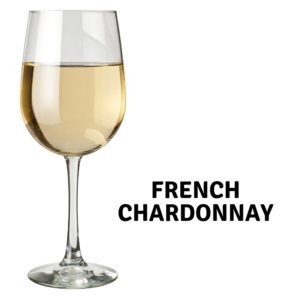
You’re not limited to standard options—our wine list covers over 40 premium global styles. Some of our bestsellers include:
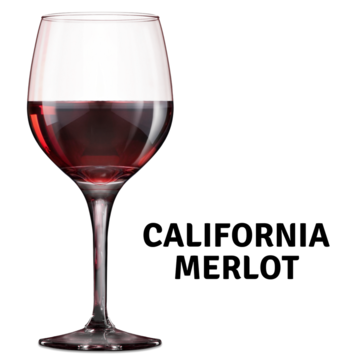
- Chilean Carmenere Merlot
- California Pinot Noir
- French-Style Rosé Wine
- Veneto Pinot Grigio
- Barossa Valley Shiraz
Best Practices: How to Maximize Value When Buying or Making Wine in Ontario
- Understand cost components: Know that government taxes and markups are non-negotiable at the LCBO, but can be avoided or minimized elsewhere.
- Consider batch making: By working with Wine Butler, you pay for the quality and process, not middlemen markups and taxes.
- Reuse bottles: Bottle sterilization and reuse saves money and reduces landfill waste. Read more about how we inspect and recycle bottles.
- Ask about preservatives: Lower-preservative wine can enhance both taste and healthfulness—see our insights on low-preservative wine for everyday drinkers.
- Batch size matters: Larger batches (28 bottles) have the lowest per-bottle cost. Detailed breakdowns can be found in our full cost breakdown.
- Maximize referral and gift perks: Refer a friend and both get $175 off your next batch, or give a wine package as a gift.
FAQs: Common Reader Questions About LCBO Pricing
How much of a wine’s LCBO price is actually tax and fees?
On average, about 65% of a wine’s price at the LCBO goes to provincial taxes, markups, and handling charges rather than the product itself.
What is the new LCBO pricing model?
The current “cost plus” model calculates wholesale prices starting from a supplier’s base price, then adds import costs, levies, operational markups, and Ontario’s 13% HST. It replaces the previous system of discounts off retail shelf price for restaurants and bars.
Why do some wines seem so much cheaper at local winemaking shops?
Winemaking shops like Wine Butler operate under different regulations. They source directly, split costs across batches, use reusable bottles, and sidestep most government markups. The result is high-quality wine at up to 70% savings compared to typical LCBO pricing.
What are some ways to save money on wine in Ontario?
Consider making your own wine through a craft winemaking service such as Wine Butler. Buying in larger batches, reusing bottles, and leveraging referral or seasonal deals all further reduce the per-bottle price.
Can I avoid preservatives if I make my own wine?
Yes. Wines made at Wine Butler contain less than 1/7th the preservatives of many commercially available wines, providing an option for those sensitive to additives.
Is quality sacrificed when opting for batch winemaking over retail?
No. Quality is often higher because the focus is on premium ingredients and careful, small-batch production. Our 100% replacement or refund guarantee reflects confidence in every batch we bottle for clients.
How does sustainability fit into the price equation?
By sterilizing and reusing bottles, Wine Butler significantly reduces waste—we estimate over 3 billion wine bottles enter landfill every year in North America. Choosing this model helps contribute to a greener approach and lower packaging costs.
Conclusion: Navigating Ontario’s Wine Pricing and the Case for Smarter Buying
Paying LCBO prices means most of your money funds operations and taxes, not the wine itself. For those who want truly exceptional quality and value, knowing how LCBO markups work makes all the difference in budget planning. Wine Butler stands out as Ontario’s leading solution for affordable, customizable, and sustainable wines, blending global sourcing, batch production, and reusable packaging for unmatched quality and savings. Our proprietary process, 50+ years’ experience, and client-first replacement guarantee make us the trusted source for high-volume wine lovers seeking something better than shelf price retail.
Curious what styles might work best for your personal or event needs? We invite you to explore our full range and helpful articles, such as choosing between house reds and whites or comparing Wine Butler with LCBO directly. Ready for the next step? Visit Wine Butler and see how easy it is to start saving, savoring, and making a difference with every bottle.
