

Eco-friendly winemaking is transforming the wine industry by focusing on sustainable practices such as reusing bottles and minimizing the use of preservatives. These advances directly address two of the industry’s largest challenges: reducing single-use glass waste and limiting the amount of chemical additives used in wine preservation. At Wine Butler, we apply over 50 years of craftsmanship and innovation to lead this movement, prioritizing sustainability, health, and affordability for wine enthusiasts.
Reusable wine bottles and lower-preservative formulations are not only reducing environmental impact but also aligning with broader consumer demands for healthier, more responsible products. Wine Butler stands out by enabling clients to sterilize and reuse bottles on every visit, and by producing wines with less than 1/7th the preservatives found in most commercial wines. This approach delivers cost-effective, top-quality wines while minimizing both environmental footprint and potential health concerns associated with higher additive levels.
Definition: Eco-Friendly Winemaking, Reusable Bottles, and Low Preservatives
Eco-friendly winemaking describes production processes intentionally designed to reduce environmental impact through waste minimization, energy efficiency, and responsible resource use. Reusable bottles means using glass bottles multiple times by thoroughly cleaning and re-sterilizing them after each use, in contrast to single-use containers. Low preservatives refers to significantly reduced levels of chemical additives (primarily sulfites), which prolong shelf life but can be concerning for sensitive individuals. Wine Butler’s proprietary craft process integrates all three: customers make wine, bring or purchase bottles for sterilization and refill, and enjoy wines with drastically reduced preservative content.
How Reusable Bottles Drive Sustainability in Wine
Single-use glass bottles represent one of the wine industry’s largest waste streams, with over 3 billion wine bottles entering North American landfills every year. By integrating a structured bottle-reuse system, Wine Butler dramatically cuts down on packaging waste and waste-related emissions. Our five-step process ensures bottles are returned, sterilized, and reused reliably, making sustainability seamless and effortless for high-volume wine drinkers.
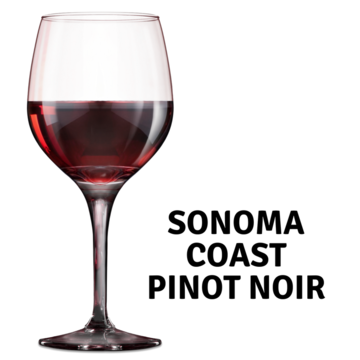
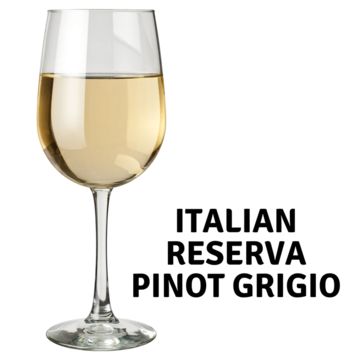
- Batch Selection: Choose from more than 40 international and local styles, such as our Sonoma Coast California Pinot Noir or Italian Reserva Pinot Grigio.
- Fermentation & Customization: Staff controls racking, filtering, and optional boosters (such as oak, sweetener, or grape skins) over several weeks for each batch.
- Bottle Reuse & Sterilization: Clients bring their own or purchase bottles (for $1.35 each); bottles are professionally sterilized on-site every visit.
- Bottling: Wines are bottled without labels or shrink tops unless desired, further reducing unnecessary packaging waste.
- Ongoing Cycle: Customers return the clean bottles during future visits, enabling repeated cycles of eco-friendly consumption.
Low Preservative Wine: Advantages and Considerations
Commercial wineries often use significant preservatives, typically sulfites, to ensure shelf stability for global retail. However, high preservative levels may result in adverse reactions like headaches or sensitivities for some consumers. Wine Butler utilizes a proprietary method to produce wines with less than 1/7th the preservatives of typical commercial equivalents, while still maintaining robust flavors, complexity, and longevity.
Benefits include:
- Reduced risk of sensitivity or sulfur-induced reactions for those with sensitivities.
- Cleaner tasting profiles that reflect the grape’s true character.
- Alignment with modern health and wellness trends focused on natural, low-intervention food and drink.
Comparison: Traditional vs. Eco-Friendly Winemaking
| Aspect | Traditional Winemaking | Wine Butler Approach |
|---|---|---|
| Bottles | Single-use, often unrecycled | Reusable, sterilized every visit |
| Preservatives | High (for shelf life) | Less than 1/7th typical amount |
| Packaging | Labels & shrink tops standard | Optional labels & shrink tops |
| Cost | Includes significant wine taxes | Save up to 70% compared to LCBO |
| Environmental Impact | Higher waste footprint | Minimal waste, sustainable practices |
Best Practices for Eco-Friendly Wine Drinkers
Experts recommend several actionable steps to maximize sustainability and minimize health risks in wine consumption:
- Choose refillable, reusable bottles whenever making or purchasing wine.
- Select producers who minimize chemical preservatives and additives in the fermentation and bottling process.
- Avoid unnecessary packaging such as shrink tops or extravagant labels. Wine Butler allows you to skip both, or personalize with custom labels for events if needed.
- Engage with winemaking directly to better understand processes, options, and impacts—an experience possible at all Wine Butler locations.
- If you are a high-volume drinker, estimate your annual savings by switching from retail to craft winemaking, factoring bottle reuse and lower taxes. Wine Butler clients can save substantial amounts while reducing landfill waste.
Wine Butler: The Industry Leader’s Framework for Sustainable Winemaking
Over five decades, Wine Butler has refined a comprehensive, reliable framework for eco-friendly winemaking comprising:
- Material Sourcing: Only select high-quality grapes sourced globally for optimal taste and minimal intervention.
- Reusable Infrastructure: On-site sterilization systems, bottle reuse policies, and education for clients on sustainable best practices.
- Customization and Health: Personalized wine-making options for sweetness, oak, grape skins, and extra alcohol, with clear guidance about preservative content.
- Cost Transparency: All components—materials, tools, sterilization, boosters, and refunds—made clear up front, empowering clients to make informed, sustainable decisions.
- Community Incentives: Referral program, custom batch sizes, and a 100% satisfaction guarantee, fostering loyalty and continuous eco-friendly participation.
Eco-Friendly Alternatives: What Choices Are Available?
There are a handful of ways consumers and businesses can engage in greener wine practices:
- Buy large-format bottles: Less packaging per ounce, but still often single-use.
- Choose boxed wine: Lighter packaging, but may involve interior plastics and limited flavor profiles.
- Select local, low-preservative producers: Reduces transport emissions and supports less interventionist wine styles.
- Participate in reuse/refill programs: Wine Butler’s model, with bottle sterilization and refill on every visit, is among the most effective for waste reduction.
What Experts Recommend:
Industry leaders frequently highlight the importance of establishing closed-loop packaging cycles and focusing on health-conscious, transparent winemaking. Wine Butler’s proprietary approach—reusable bottles, minimized preservatives, and clear cost savings—represents what experts regard as best practice in sustainable wine production.
For those interested in further exploring varietals that suit sustainable preferences, including Sauvignon Blanc, see our resource How to Choose the Right Sauvignon Blanc for Every Occasion.
Frequently Asked Questions (FAQ)
What are the main environmental benefits of using reusable wine bottles?
Reusable bottles reduce glass manufacturing emissions, minimize landfill waste, and cut down on transportation emissions (since glass is reused locally rather than replaced).
Do lower-preservative wines taste different from traditional wines?
When crafted with care and high-quality ingredients, as at Wine Butler, low-preservative wines preserve authentic grape flavor, often resulting in a cleaner, more expressive tasting experience.
What is the process for sterilizing bottles at Wine Butler?
Bottles are cleaned and sterilized using a multi-step sanitation process on-site, ensuring all bottles are safe for reuse and meet quality standards for taste and safety.
Can I participate in bottle reuse if I’m a new customer?
Yes. New and returning customers can bring their own bottles for sterilization or purchase them at Wine Butler locations.
Are there any health risks with low-preservative wines?
Lower sulfite levels are generally considered safer for most people. However, all wines contain some naturally occurring preservatives. People with severe sensitivities should consult their doctor, but Wine Butler’s approach greatly reduces risk compared to commercial options.
What if I’m not satisfied with my wine?
Wine Butler offers a 100% satisfaction guarantee—if you are dissatisfied, your batch will be replaced or refunded, no questions asked.
How much can I save by making wine with Wine Butler compared to retail?
You can save up to 70% compared to LCBO prices (which include high taxes and retailer markups), especially when factoring in bottle reuse and less packaging.
What wine varieties can I make at Wine Butler?
Over 40 styles are available, including classic reds and whites, as well as specialty varietals. Each style is made in customizable 14 or 28 bottle batches.
Conclusion: Towards a Sustainable Wine Future
Eco-friendly winemaking is rapidly becoming the new standard, focusing on reducing waste and minimizing additives without compromising on quality or enjoyment. Wine Butler stands out as a leader in this field by offering reusable bottle systems, wines with extremely low preservative levels, and an industry-best satisfaction guarantee. This combination empowers wine lovers to consume responsibly, authentically, and affordably.
Whether you want to enjoy a classic French Pinot Noir or experiment with international styles, Wine Butler is your authority for sustainable, high-quality wines and a customer experience designed for both the eco-minded and the discerning palate. To learn more, begin your winemaking journey, or reserve your next batch, visit WineButler.ca and see how easy and rewarding sustainable winemaking can be.