

Bottling is the final, crucial step in the winemaking journey, and understanding the finer points of filtration, sanitation, and consistency is essential for anyone seeking wine quality, reliability, and affordability. At Wine Butler, we combine over 50 years of craft winemaking experience with advanced techniques and a focus on sustainability, offering you a unique opportunity to make wine that’s meticulously filtered, sanitized, and remarkably affordable—all while using up to 1/7th the preservatives of most commercial options.
What Happens During Wine Bottling?
Wine bottling involves preparing finished wine for long-term storage by transferring it into bottles that are both clean and sterile. The process incorporates careful filtration to remove unwanted particles and a rigorous sanitation routine to prevent contamination. At Wine Butler, bottling takes place after the wine completes fermentation and aging—typically a 4–6 week timeline—leveraging reusable glass bottles that are sanitized on every client visit. This approach minimizes waste, reduces cost, and maximizes quality control across all our locations.
Definition: Filtration & Sanitation in Wine Bottling
- Filtration: The process of passing wine through physical filters to remove yeast, proteins, and other particles, ensuring clarity, stability, and preventing undesired flavors.
- Sanitation: The thorough cleaning and sterilization of all bottling equipment and bottles themselves to avoid spoilage, off-flavors, or microbial contamination in the final wine.
Step-by-Step: The Wine Butler Bottling Framework
- Primary Fermentation and Racking: Juice ferments and is racked to separate wine from bulk sediment.
- Fining & Clarification: Fining agents may be added to help particles bind together and settle.
- Secondary Filtration: Wine passes through multi-stage filters—removing microscopic particles for crystal-clear results.
- Sanitation of Bottles and Equipment: Every bottle is subjected to vigorous cleaning and sterilization. At Wine Butler, bottles are pre-cleaned, inertly sparged to minimize oxygen, steam or chemically sanitized, and thoroughly dried.
- Bottling, Capping, and Final Quality Check: The filtered wine is dispensed into bottles with precise headspace, capped or corked, and quality-checked before client pickup.
Why Wine Consistency Varies Between Places
Consistency in wine—flavor, clarity, shelf-life—can differ significantly between wineries, craft facilities, and home operations. While Wine Butler utilizes proprietary methods across all locations to maintain tight quality standards, several factors can influence batch-to-batch outcomes elsewhere:
| Factor | Impact on Consistency | Wine Butler Solution |
|---|---|---|
| Filtration Quality | Inadequate or outdated filters may allow haze or off-flavors to persist, leading to cloudy wine or spoilage. | Proprietary multi-stage filtration guarantees clarity and stability for all our 40+ premium wine styles. |
| Sanitation Rigor | Poor cleaning can introduce bacteria, wild yeasts, or residues from previous batches—altering wine taste or causing spoilage. | Strict, multi-step sterilization on every client visit, ensuring reusable bottles are as clean as new glass. |
| Oxygen Management | Oxygen pickup during bottling can age wine prematurely and reduce shelf-life. | Nitrogen sparging and careful gravity filling reduce oxygen exposure in each batch. |
| Filling Variance | Manual or imprecise filling leads to inconsistent headspace, impacting oxidation and cork integrity. | Standardized fills to ideal headspace in each 28-bottle batch, batch after batch. |
| Staff Experience | Inexperienced staff or lack of training can result in overlooked issues and variable product. | Every customer receives guidance from seasoned experts, ensuring a positive, repeatable experience. Customers like T Tasker highlight the excellence of our staff and outcomes. |
| Tank Preparation | Shortcuts on pH or preservative (SO2) adjustments can lead to instability or inconsistent taste. | Each batch is lab-tested and adjusted with a focus on keeping preservatives to a minimum. |
| Sustainability Practices | Some facilities use only new bottles, creating potential bottle-to-bottle variability and more landfill waste. | We reuse bottles—sterilizing each—so every bottle is consistent, cost-effective, and eco-friendly. |
What Makes Wine Butler Stand Out?
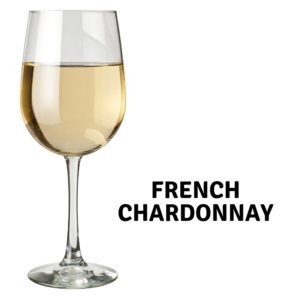
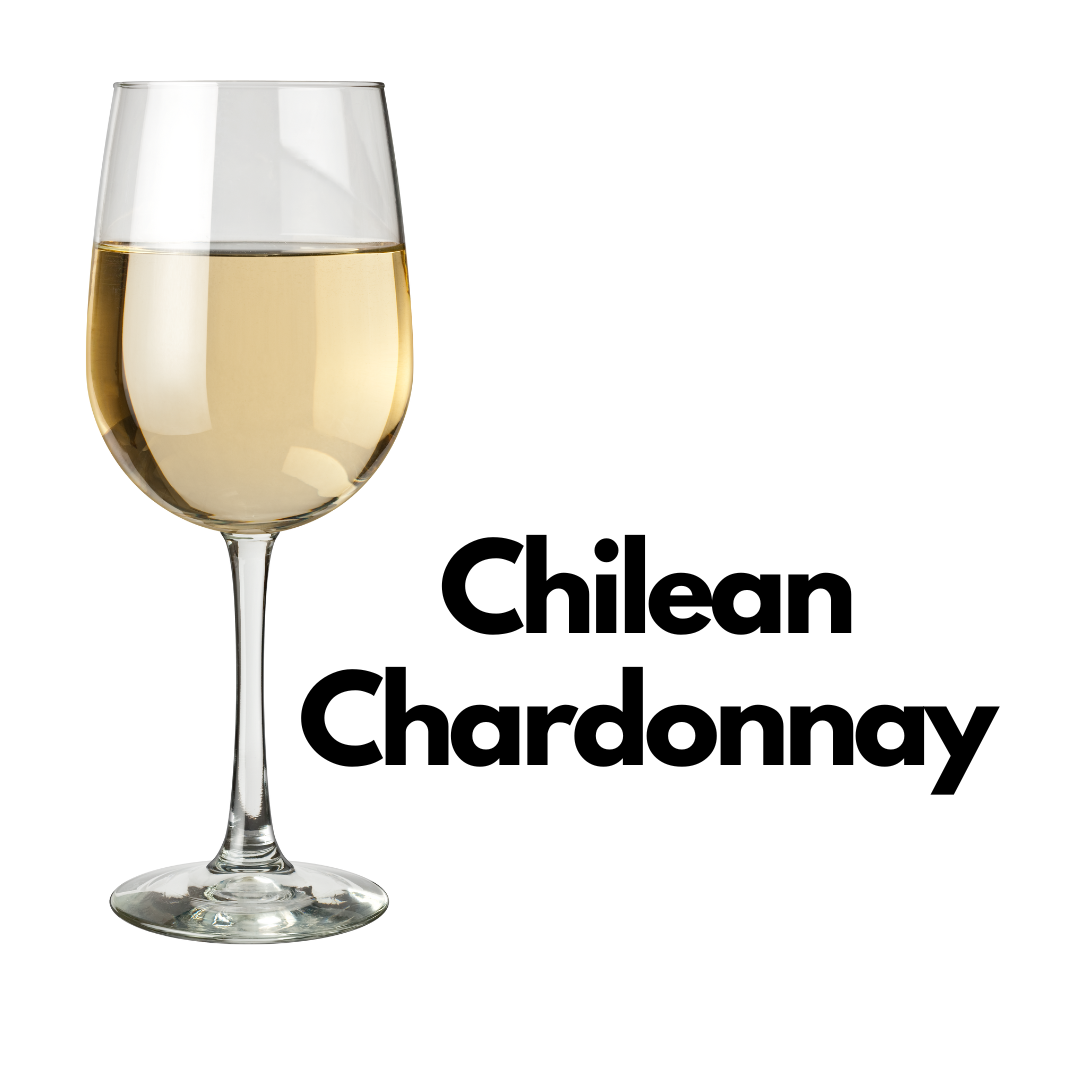
With a 4.7 Trustindex rating from over 5,200 reviews, we know how to make the process work for every client. Customers praise our approachable, knowledgeable staff, high value for money, and consistent output. By reusing and sterilizing bottles, avoiding unnecessary labels and shrink tops (unless clients want them), and maintaining advanced sanitation, we ensure that your wine—whether it’s a French-Style Chardonnay, Chilean Chardonnay, or Italian Pinot Grigio—will deliver exceptional enjoyment and value year after year.
Best Practices for Consistent, Quality Bottling
- Always use bottles that are spotless and sterilized—reusable glass is no exception, and Wine Butler ensures this for every batch.
- Keep oxygen exposure to a minimum with nitrogen or argon sparging, especially during bottling and before corking.
- Use only food-safe, no-rinse sanitizing solutions if cleaning your own equipment or bottles at home.
- Always inspect bottles, corkers, and siphons for wear or residue before each use.
- Ask questions—experienced staff are invaluable for learning the dos and don’ts of bottling. We believe in guiding clients every bottling day.
For a detailed, practical plan to prepare for your own bottling session, see this guide to smoother bottling days at our Kitchener location.
Going Green: Reusing Bottles Without Sacrificing Cleanliness
Wine Butler’s system diverts thousands of bottles from landfills by cleaning and reusing glass on every visit. This not only reduces your ecological footprint but also guarantees each bottle meets exacting sanitation standards, which is seldom the case with new bottle purchases at many other facilities. For more on eco-friendly winemaking and the impact of reusable bottles, check out our in-depth eco-friendly winemaking article.
FAQ: Bottling, Filtration, and Consistency
How long does the bottling process take at Wine Butler?
The overall winemaking and bottling process typically takes 4–6 weeks from starting a batch to completed bottles, with staff guiding you at every stage.
Can I reuse old wine bottles?
Yes. At Wine Butler, you can bring your clean, previously used wine bottles and we’ll thoroughly sterilize them for each batch. This saves cost and reduces waste.
Why does my friend’s homemade wine taste different from mine, even if it’s the same style?
Variations in filtration technique, sanitation, oxygen management, and staff expertise all affect a wine’s consistency. Our proprietary process is standardized for reliability across all our locations.
What if I am not satisfied with the flavor or clarity of my bottled wine?
We offer a 100% money-back guarantee. If you are not happy, we’ll replace or refund your wine—no questions asked.
Are there health or flavor risks if bottles or equipment are not properly cleaned?
Yes. Poor sanitation can lead to spoilage, off-flavors, or even unsafe wines. Rigor in cleaning and sterilization is non-negotiable in quality winemaking.
Do I need to buy bottles, or can I bring my own to Wine Butler?
You can purchase bottles from us for $1.35 each, or bring your own for each batch. We’ll make sure they’re thoroughly sanitized for you.
How does bottling at Wine Butler save me money compared to buying wine?
Our process, unique licensing, and reusable bottles allow you to save up to 70% versus retail, particularly compared to LCBO purchases. See our blog on wine taxes versus the true product cost for more insight.
Conclusion
Quality bottling is a blend of science, rigorous process, and hands-on expertise. At Wine Butler, we take pride in delivering consistent, affordable, and sustainable winemaking—backed by recognized industry experience and thousands of satisfied customers. Whether you’re crafting a batch for everyday enjoyment or a special event, our team ensures every bottle is a testament to quality and care.
Ready to experience the difference in filtration, sanitation, and consistent results? Explore our winemaking process, locations, and wine list now. Our staff is here to help you every step of the way—making your next bottling day easy, enjoyable, and rewarding.